
Tire punctures are one of the biggest annoyances for bicyclists. Especially if you live in a desert climate like I do, there are spiky plants everywhere waiting to cause a puncture. A similar risk exists for anyone bicycling along a road’s shoulder strewn with debris.
On some bikes, the easiest solution is to install a heavy-duty tire on it, like a Schwalbe Marathon. Tire liners can offer a strong solution, too.
These solutions are great for a touring bike or a mountain bike where added weight isn’t quite as important.
However, on a road bike, speed and efficiency is the goal. The addition of heavy-duty tires adds rolling resistance and rotational weight. This slows down the bike and requires more energy to pedal. Cornering also suffers.
What about tubeless tires?
A common solution for bicyclists can be tubeless tires. As the name suggests, this means that the tires are run without inner tubes. Sealant is added to the tire during installation which can fill small puncture holes after several rotations of the tire.
Tubeless tires are becoming more common, but they aren’t perfect. They need compatible wheels and tires designated as tubeless-ready. Proper rim tape must be used inside the rim and compatible valve stems must be used.
In my opinion, the biggest downsides for tubeless tires are installation and maintenance. A proper seal must be created between the wheel and tire since the air is not also contained within a tube. This requires adding air quickly to the tire, often with an air compressor, to establish that seal. As you can imagine, rapidly adding pressure to a tire can occasionally cause it to burst, possibly creating a mess with a sealant.
The sealant itself is also imperfect. It needs to be topped up regularly since it dries out with time. Summer temperatures in Phoenix, especially in garages, make this a more common occurrence.
Also, if you get a large enough puncture, the sealant can’t repair the tire, so you still get to fix a flat tire on the side of the road. But, now you also get to deal with a mess from sealant.
A New Option – TPU Bicycle Tubes
My current approach with the road bike has been experimenting with TPU tubes. TPU tubes are made of thermoplastic instead of the traditional butyl rubber. This new construction is lighter, keeps pressure longer, and promises to be more durable (according to manufacturers). The TPU tubes can also be patched, just like a traditional tube, although they need TPU-designated patches.
The downside of these tubes is the price. TPU tubes often cost considerably more than a traditional butyl rubber tube. For example, a high-quality butyl tube from a reputable manufacturer often costs around $10-$15, while a TPU tube from a name brand manufacturer is often around $30-$50.
Why I Chose the Pirelli Cinturato Smartube X TPU Tube
I’m currently running the Pirelli Cinturato Smartube X tubes on my Canyon Endurace road bike. These Austrian-made tubes cost around $40-$50 in the United States. They are significantly more expensive than the no-name tubes which people are ordering online. However, they promise better construction and more longevity, which could help justify the expense.
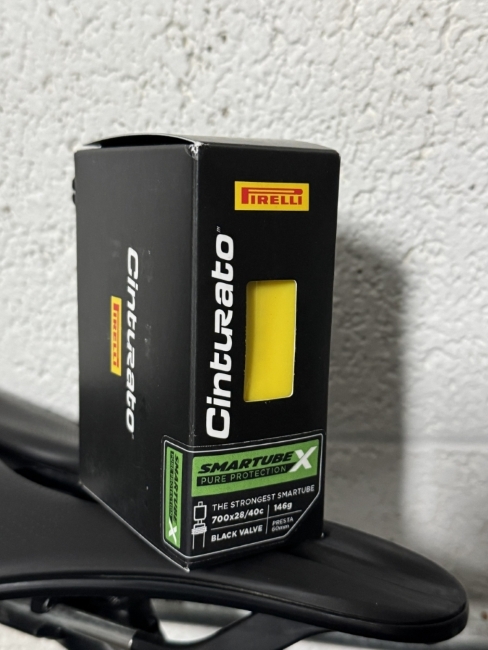
The Smartube X is significantly thicker than traditional TPU tubes, which I hope will prevent most punctures. While few tires will hold up to goat-head thorns, the Smartube X tubes should be robust enough to prevent punctures from most traditional hazards.
The added thickness does come at the expense of weight. The advertised weight for these tubes comes closer to a butyl tube. However, they still offer a significant technological advantage against a comparably weighted butyl tube. Pirelli does offer multiple TPU tube options, so there are lighter options available, but it will come at the expense of puncture protection.
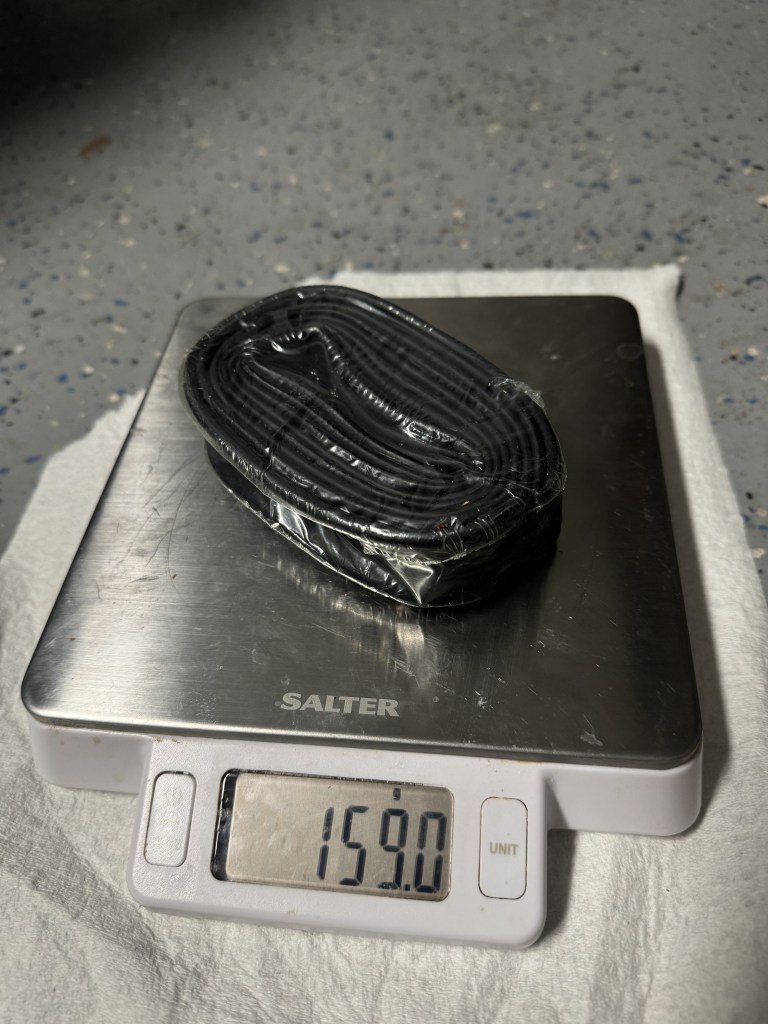
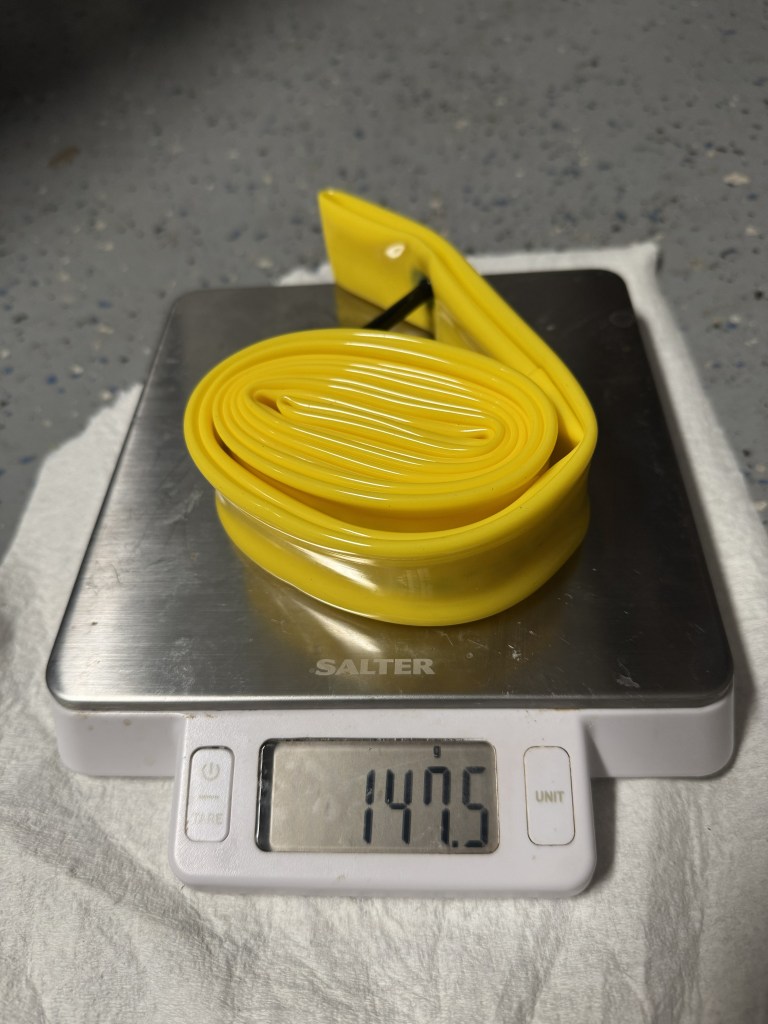
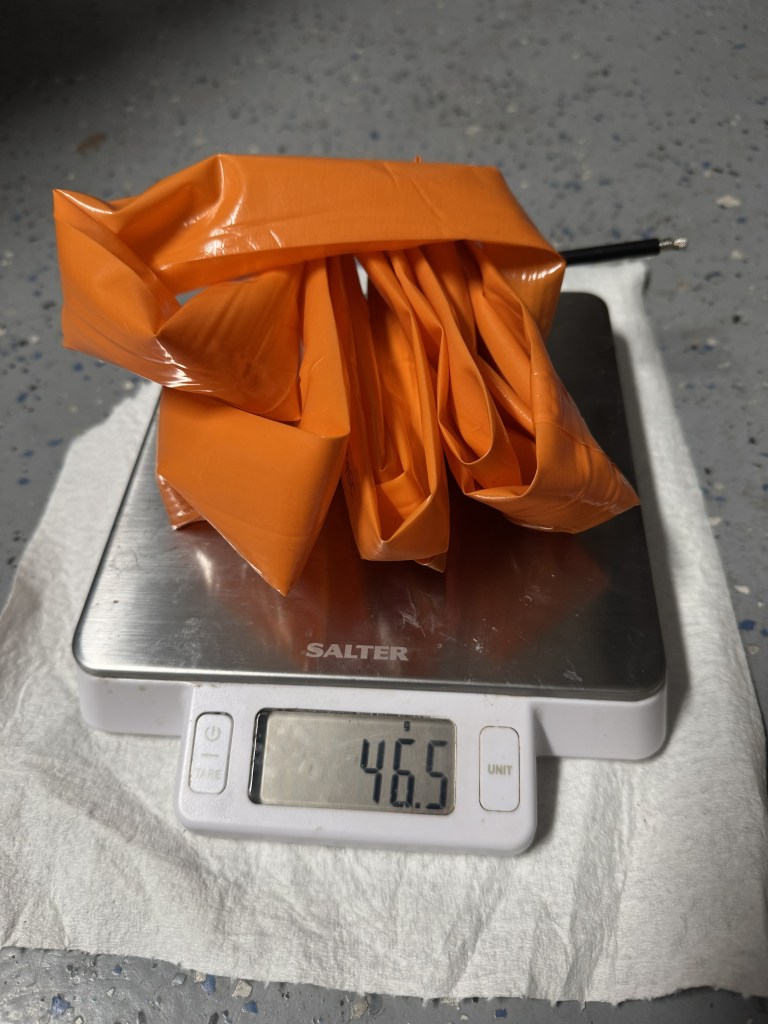
I tried running a much lighter TPU tube that I bought at my local bike shop. It was not from Pirelli. Unfortunately, it suffered two punctures in a short timeframe while running my Vittoria Corsa N.Ext tires.
It’s too early for me to definitively say whether these new Cinturato Smartube X tubes are more durable, but they feel like they will be. I’ll post an update in the future.
 Pistons Then Pedals
Leave a comment