It’s important for motorists to be prepared for the unexpected, especially when traveling in remote areas. This is especially true if your adventure vehicle is older. I don’t have the mechanical skills to repair any failure, but I carry basic equipment. These are the items which I have started to carry on every journey. I also became familiar with how to safely use them before leaving.
OBD Scanner
Knowing when to shut down equipment can prevent thousands of dollars in added damage.
My first car was a Jeep Liberty (KJ). One night, in the middle of a Phoenix summer, I was driving to the bank. It was only a few miles away. As I was sitting at a red light, I caught a glimpse of steam coming from under the hood. I looked down and saw that the engine thermostat was pinned in the red.
I immediately pulled into the first safe parking lot and called AAA for a tow truck. A few days later, my mechanic told me this decision saved the engine. If I had kept driving, at the very least, the head gasket could’ve failed on the Jeep’s 3.7 liter PowerTech V6.
When we first bought the Volvo, the previous owner had “deferred maintenance.” Since it only had about 80,000 miles, it also wasn’t driven much. Shortly after we bought it, the check engine light illuminated 200 miles for home.
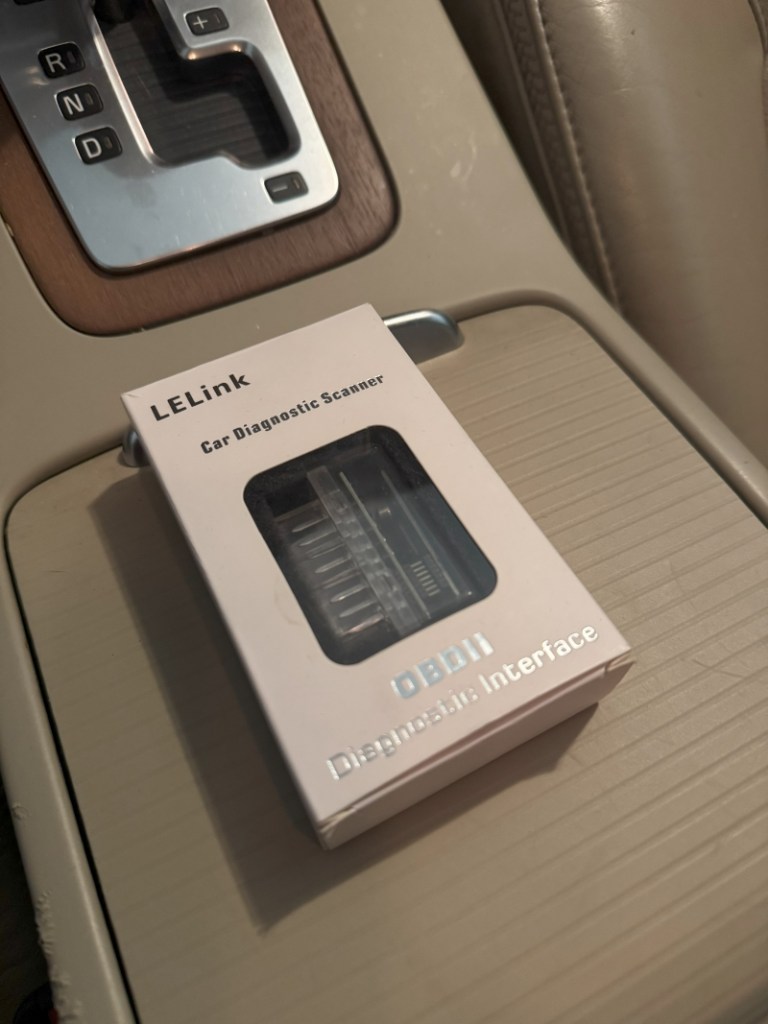
As a result, I began to carry an OBD dongle in the glovebox and found a compatible app for my smartphone. The OBD scanner can’t fix any issue that arises, but it lets me read the code, research the code (if I have cell service), and evaluate the risk.
That can help me decide whether an issue is minor enough to continue or significant enough for a tow truck.
Of course, any decision to continue driving with any illuminated warning is at-your-own-risk. It’s also the user’s responsibility to know how safely use any OBD scanner and associated software with their vehicle. Newer vehicles typically provide more information in the gauge cluster, which may make this unnecessary.
Air Compressor
Flat tires are another common failure point. Some punctures can be catastrophic, but, in my experience, slow leaks are more common. An air compressor can allow you to pull over and reinflate the tire without a service station. Most cars, like our Volvo, have emergency spare tires. However, I’ve also owned three cars (a Fiat 500, a Chrysler Crossfire, and a Nissan Leaf) which had no onboard spare tire at all.
Portable air compressors vary widely in price. Like everything, it depends on your needs. People who are running large tires and airing down for trails will want a heavier duty compressor. These can run for longer amounts of time and push more air. Some onboard air compressors can even be permanently wired into the vehicle’s electrical system.
I’m not running tires intended for all-terrain use, so I don’t air down much. My air pump is just for emergency situations or topping off the tire pressures for the best fuel efficiency. So, I just have a basic air pump which I bought from Costco. It’s powered by a 12V outlet, so there is no battery.
Unfortunately, I don’t see a similar choice to mine with Costco now, but something like the Viair Every Vehicle Carry 85P would be a great alternative for occasional use on standard tire sizes. There are also heavier duty options which use battery terminal clamps.
Battery Jump Starter
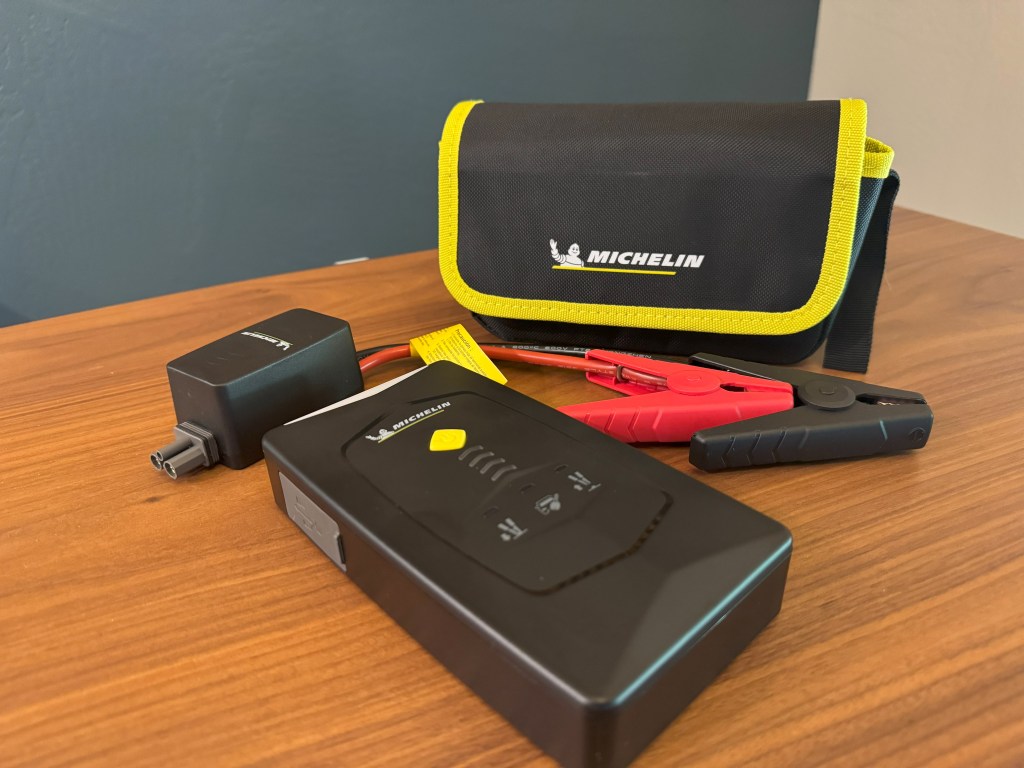
Another compact tool which I carry is a battery jump starter. These devices allow you to jump start a car without needing a second vehicle. Obviously, this is helpful if you are traveling alone, but it can also be safer for your electrical system.
Jump stations can vary in cost, depending on your needs. I also bought this from Costco. I don’t need a heavy-duty capacity or anything “tactical”, so the $85 Michelin option is perfect. The device is rated at 10,000 mAh and 500amps, so it can start up to a six liter gas engine or a four liter diesel engine. It also doubles as a power bank.
If your vehicle is running a larger engine, like a Ford Super Duty, you’ll need a more powerful jump station. NOCO is a common choice for heavier duty jump starters.
Garmin InReach Mini 2
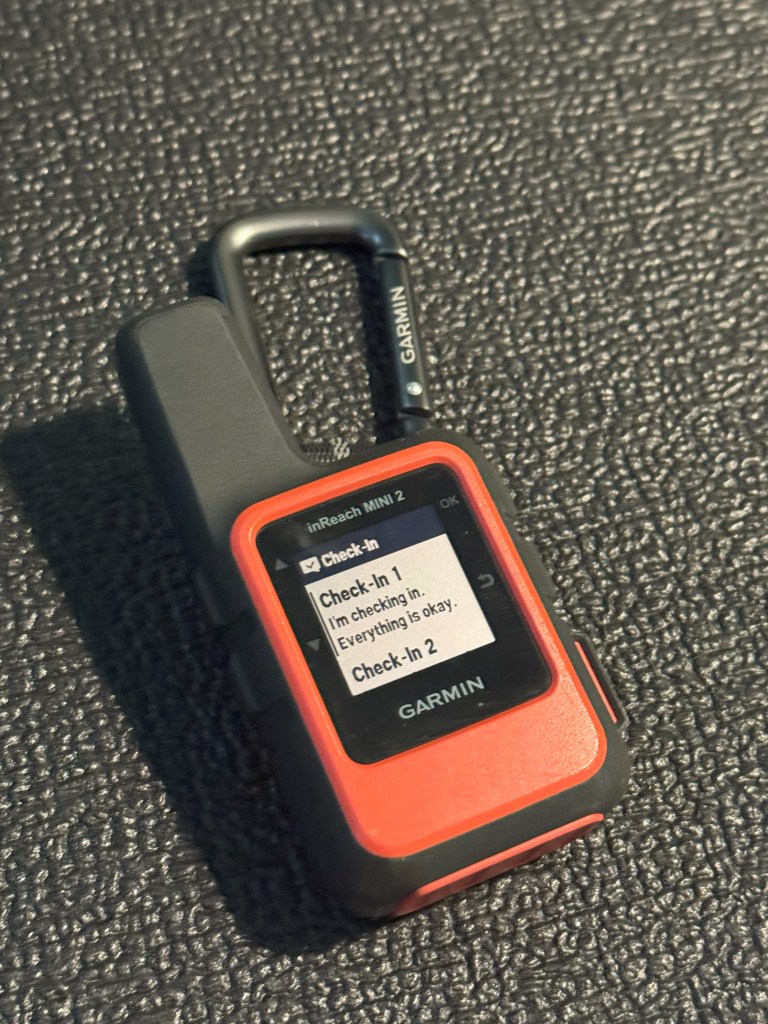
The Garmin InReach Mini 2 is the final device which I always pack on road trips. I bought the satellite communicator for hiking, but it has become a staple for us.
The InReach allows us to communicate with family members when we are in remote areas. Plus, it gives them peace of mind when we can share our location. It also provides direct communication with emergency services.
Garmin posts annual year in review summaries to show how people are using the “SOS” function. Interestingly, there was a notable number of tow vehicle dispatches according to Garmin’s 2024 summary.
It is a last resort option and users should refer to Garmin for all the terms of service. I assume I would only use this if I was stranded and the conditions were also dangerous, like extreme heat or extreme cold. I’m not using this option if it’s 75 degrees and I can walk to cell service.
This probably isn’t necessary for people who are always in areas with cell reception. Many smartphones now are also advertising satellite capability, so it might be redundant. It also requires a subscription.
 Pistons Then Pedals
Leave a comment